BLÓÐBERG – where slow living, healing, and local design melt together
June 9, 2026
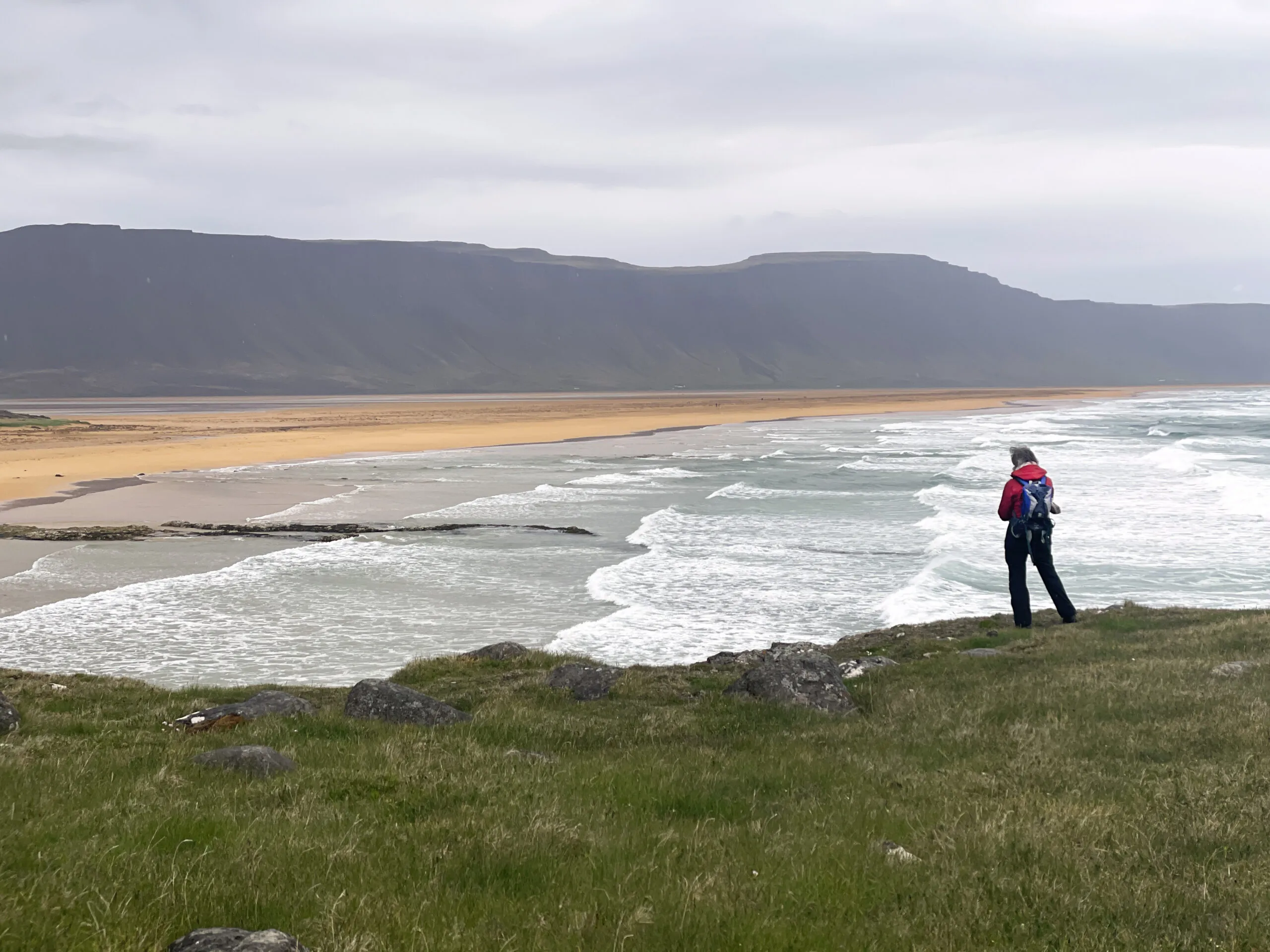
The road into Seyðisfjörður is far from a straight path. First come the high mountain slopes, then the turns, then the long descent into the fjord, where waterfalls spill down toward a small town of colorful houses and quiet streets. It is the kind of place that can feel both remote and strangely reassuring, as if life might find a different rhythm here. For Erna, that rhythm drew her to that place.
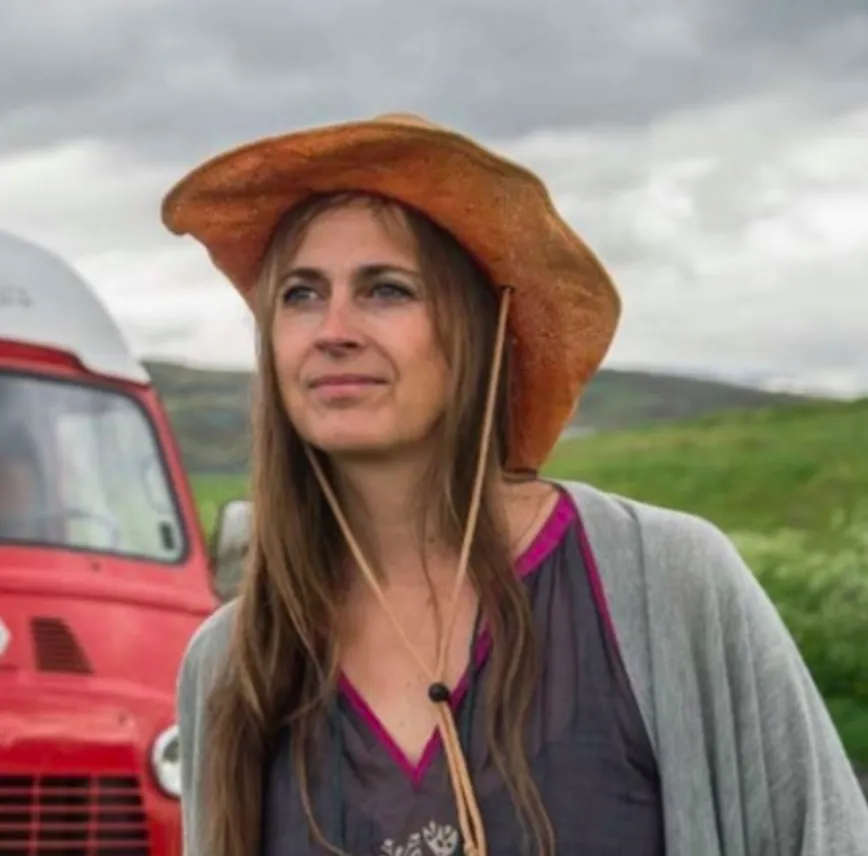
Erna came all the way from Reykjavík, where her life had long been centered on work, family and the fast-paced city life. But when her son became seriously ill and needed ongoing medical care, life narrowed into hospital visits, uncertainty and the kind of exhaustion that reshapes everything around it. “It was a very difficult time,” she says. “When you are caring for a child with a long-term illness, everything else revolves around that.” Her days were marked by treatment, appointments and the emotional weight of never fully knowing what came next.
“When you are caring for a child with a long-term illness, everything else revolves around that.”
A different pace
What began as a temporary retreat to this little town slowly became something more than a practical change. In this small town, tucked between mountains and sea, Erna found herself rethinking what home might look like.
“Seyðisfjörður is known for its creative spirit. Artists, musicians, and makers have long been drawn to the town, and there is something about it that invites closeness – to nature and to neighbors. Even the weather seems to participate in the mood of the place.” For someone coming from Reykjavík, on the other side of the country, that shift can feel profound. “I kept trying to figure out what to do next and how to make things work. Eventually opportunities appeared, and little by little things started to fall into place.”
What Erna didn’t anticipate was that seeking peace and calm in a little old house, owned by her family, would be the beginning of an exciting new journey.
“Even the weather seems to participate in the mood of the place.”
It all started in the living room
“That summer, there were many cruise ships visiting Iceland, and a lot of tourists out and about exploring the town. I was just sitting there, in my house, working remotely, while curious tourists kept peeking through the windows, wondering if anyone lived here – or if it was perhaps a museum” she explains. “I was so intrigued and amused by this that one day I decided to just invite them in and allow them to explore the house, which is considered the town’s oldest residential house. I also opened a little pop-up shop in my living room featuring Icelandic design” she explains.
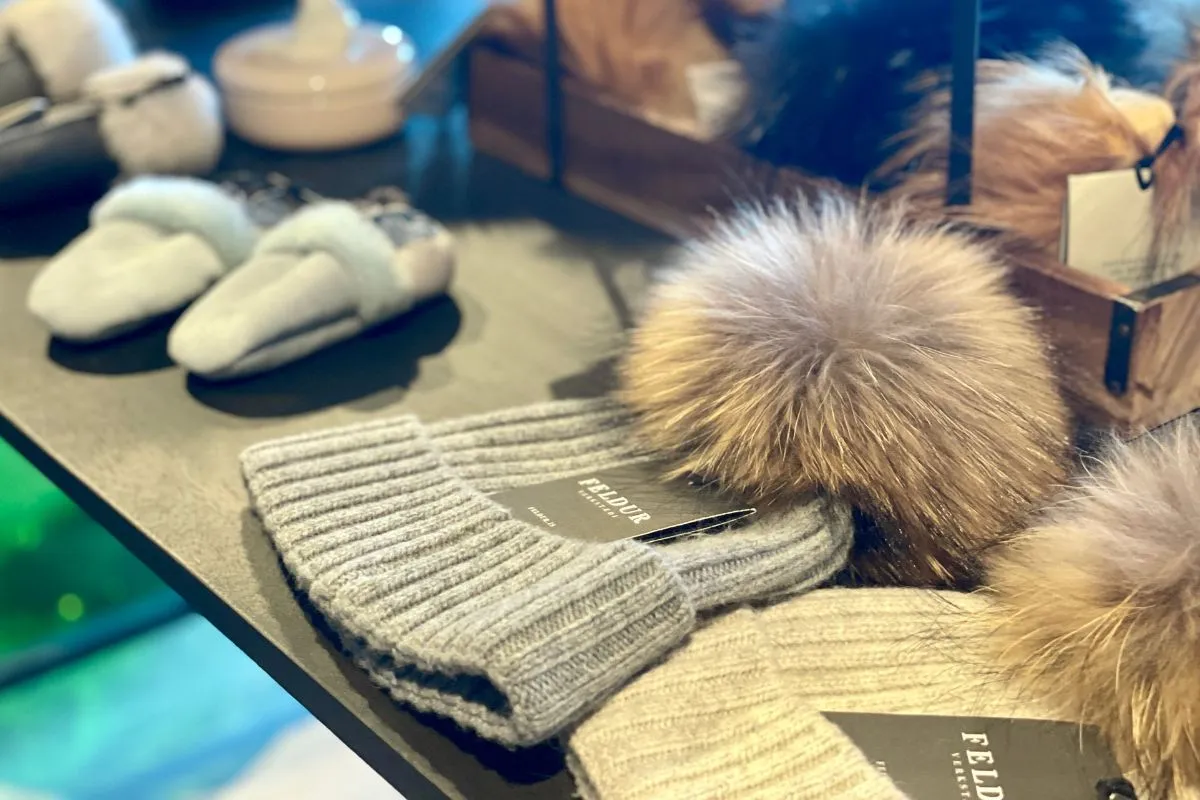
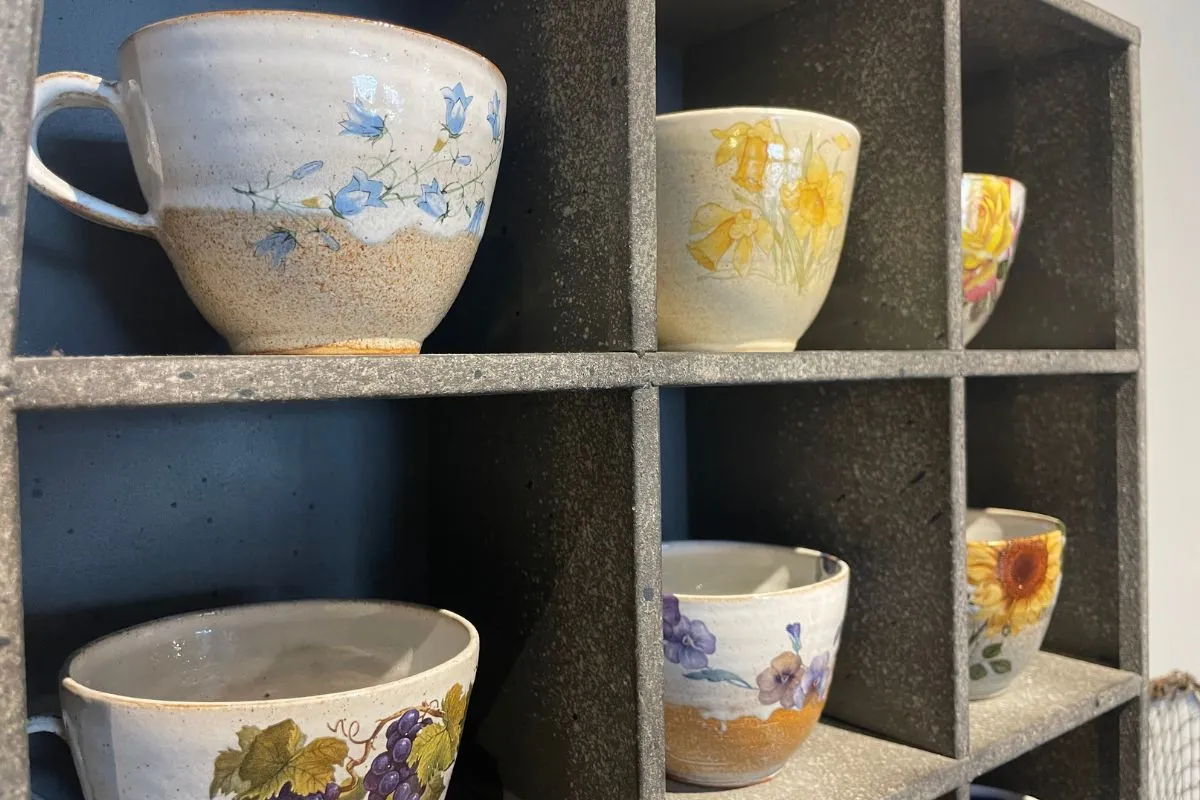
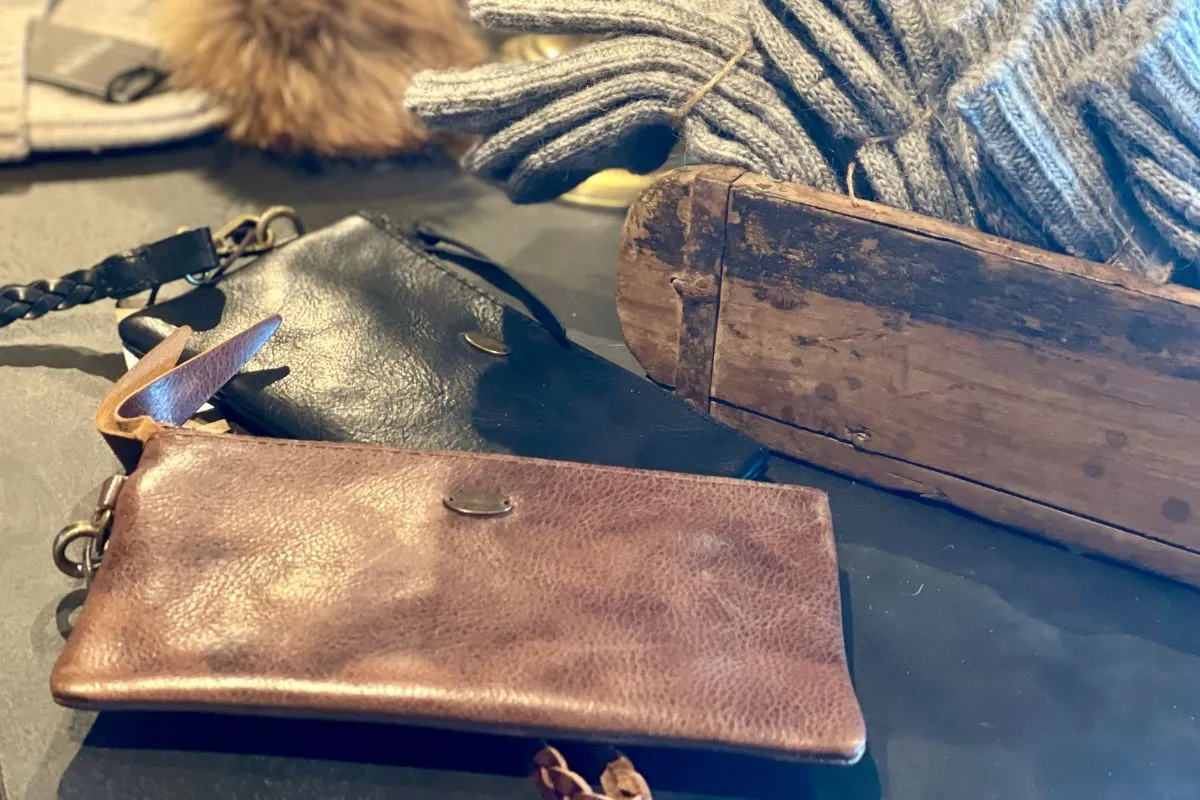
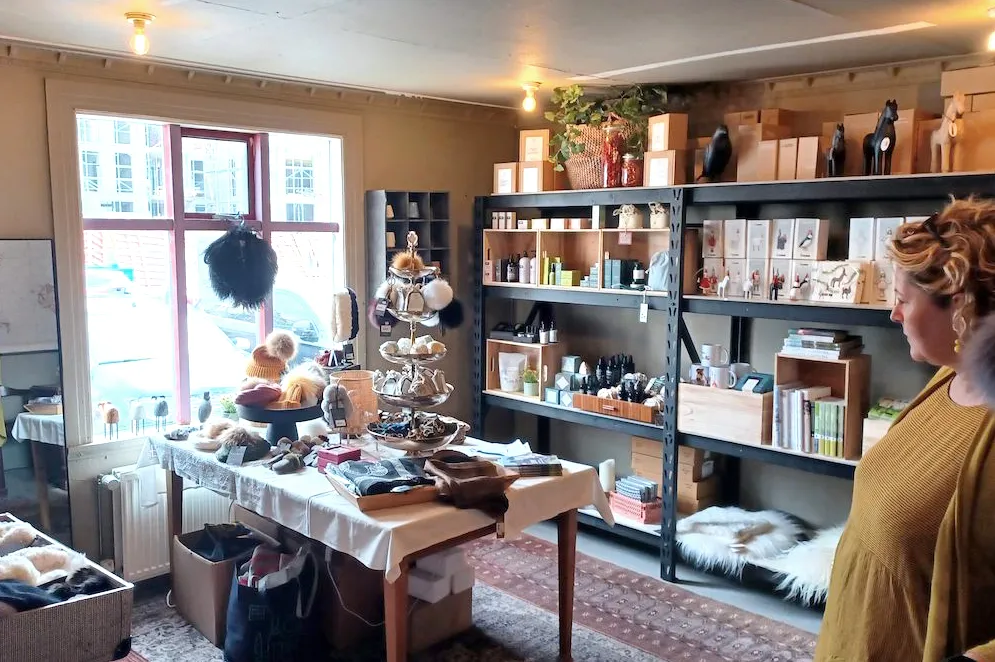
“It began quite organically. Guests did not just arrive and leave. They stayed, talked, lingered over coffee, and joined in the moment. If Erna was making pancakes, people gathered around. “That was what I loved,” she says. “People came in and relaxed. There was joy in that informality – in the feeling that visitors were being invited into something lived-in and real, not staged for them. In a town like Seyðisfjörður, where history lives in the old wooden houses and every building seems to carry its own story, that kind of warmth feels especially fitting.”
Word spread quickly, and Erna’s living-room pop-up experience received media coverage abroad, prompting her to repeat it the following summer, always offering a curated collection of exclusively Icelandic design.
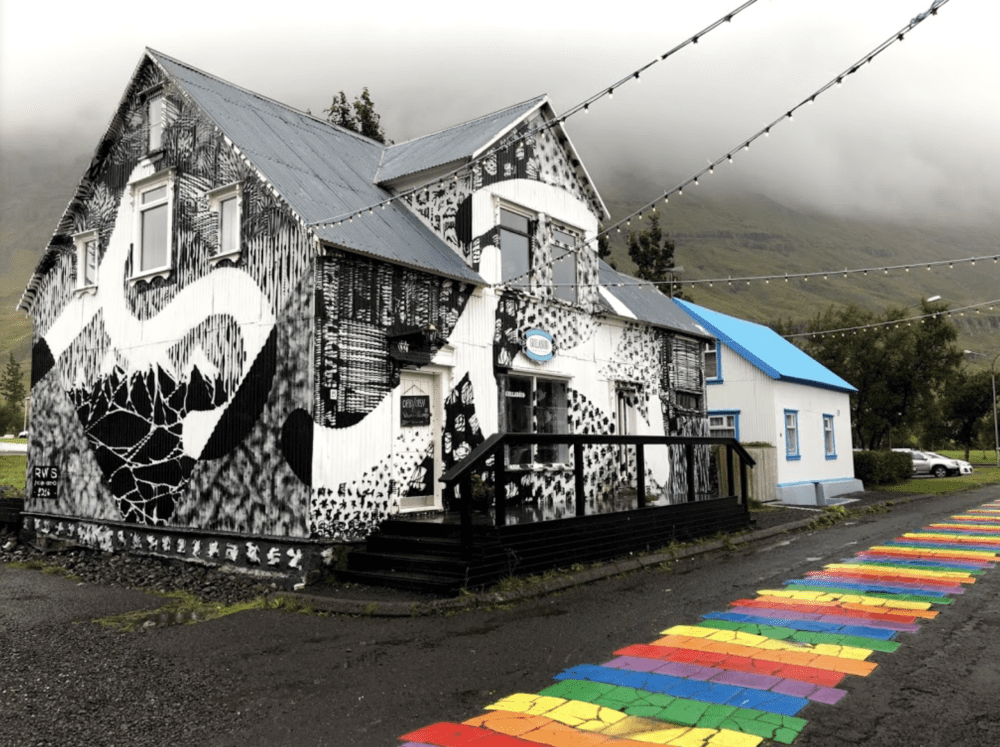
For the third summer, Erna acquired a proper retail space and started to embrace the reality of becoming a bona fide shopkeeper. And the year after that she secured the perfect retail space in the town’s famed Rainbow Street. “Suddenly I found myself on the main street with huge shop windows, very excited for the future. But then COVID hit, and everything shut down. But the silver lining was that since Icelanders couldn’t travel abroad, they all came there instead” she smiles.
Soon, Erna had purchased the entire house, completing the transition from the tiny, old living room in which it all began.
A carefully curated collection
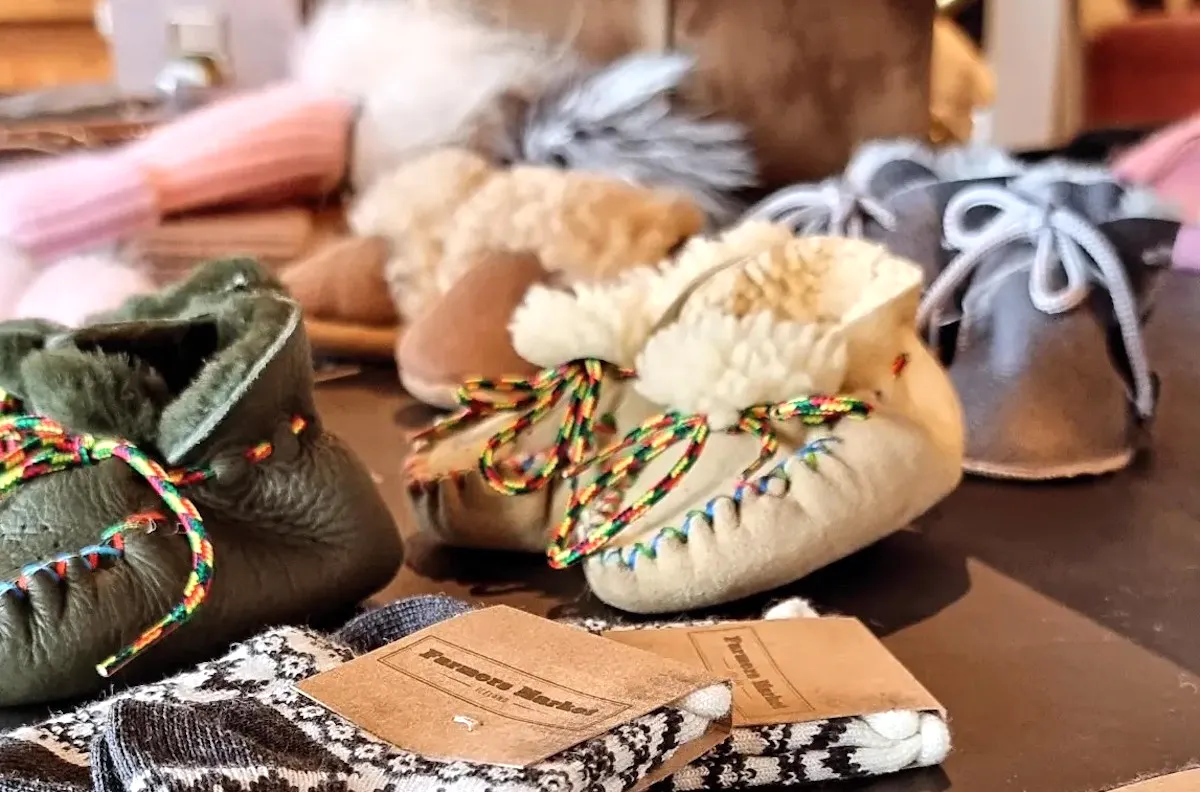
“I’ve always loved travelling, and I’ve even worked in the travel industry, including in San Francisco. I believe most of us want to bring something meaningful back home – not just any souvenir, but something that really belongs to the place. Something that was made there. I wanted to create a place where people could find authentic Icelandic design and products that actually mean something” she explains.
“I believe most of us want to bring something meaningful back home – not just any souvenir”
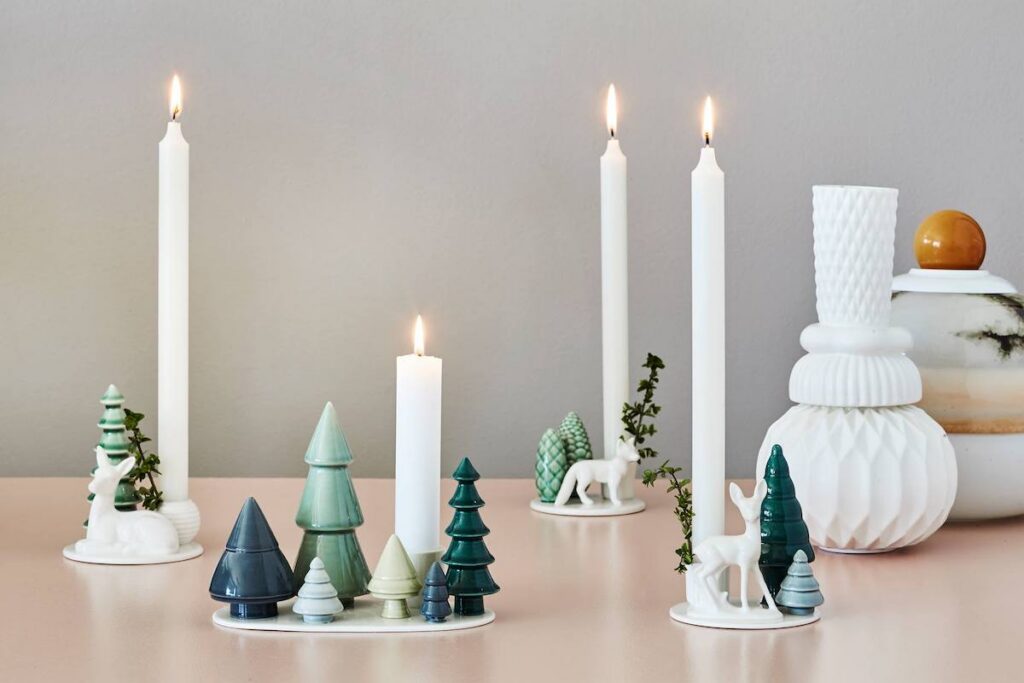
Erna curates the selection very carefully, always ensuring that it feels coherent. “I want each brand and each designer to have room to breathe. It’s important that everything fits, and the products speak to each other.”
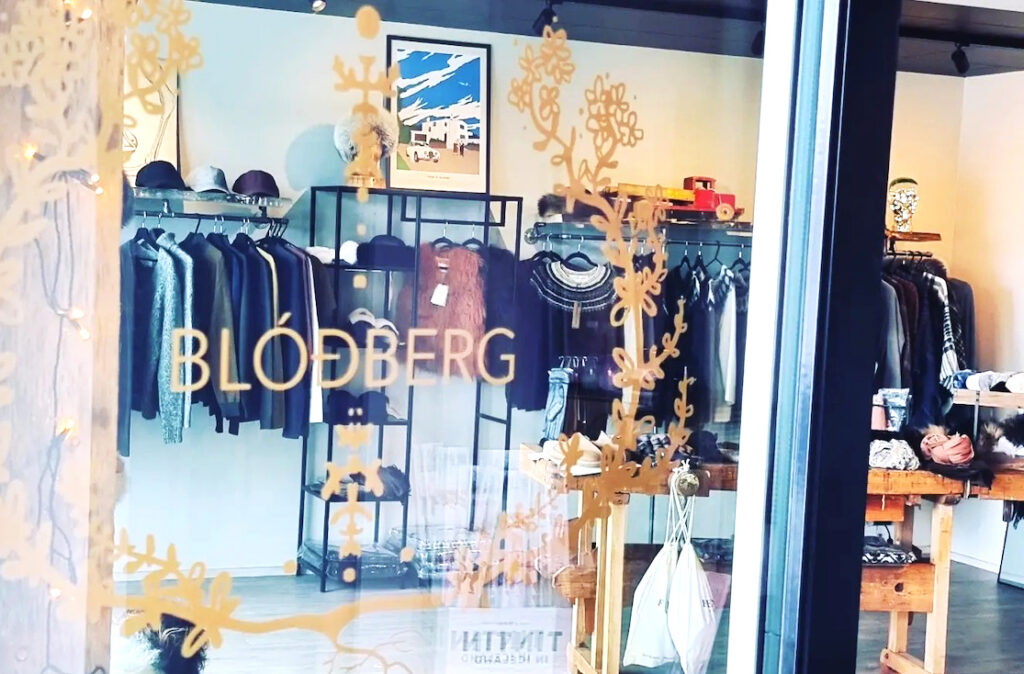
Running a shop agrees with her. “Honestly, I really enjoy it. I enjoy meeting the people behind the brands. I enjoy hearing their stories, learning about their process and the thought behind each product, and each maker. There is so much behind each brand.”
Where does the name Blóðberg come from, and what does it mean?
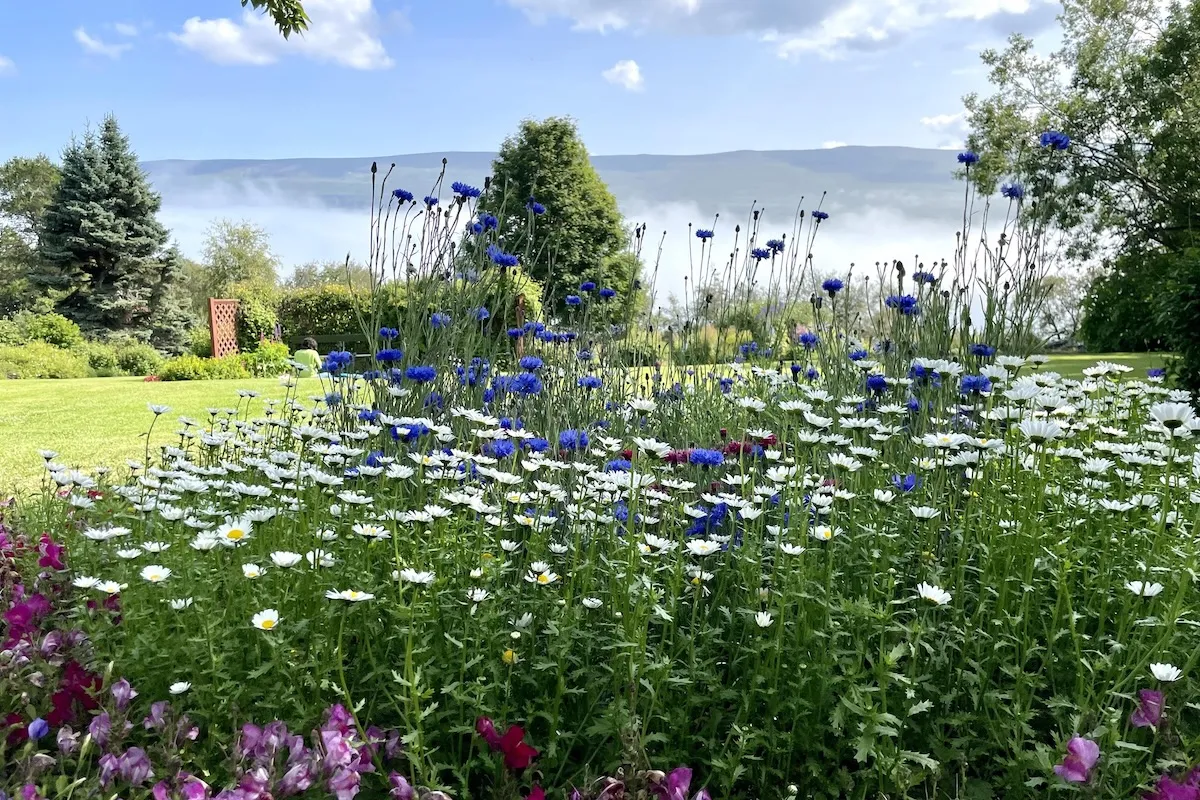
“For a long time, the shop actually had no name at all. It was nameless for quite a while because I had never really planned to run a shop in the first place. But then, at some point, I realized that things were becoming more serious and the shop needed a name. I wanted something that connected to nature. Then the name Blóðberg came to mind. Blóðberg (Wild Thyme) is a beautiful plant commonly found in Iceland and is beneficial for the immune system. Because of my son’s immune disease, that connection felt meaningful, and so the name became a quiet reference to our journey. And it’s also just such a beautiful Icelandic word.”
Opening Blóðberg in Akureyri
Erna’s son, now a grown man, is doing very well, she says. “That has changed everything.” He is the reason why she opened the second shop in Akureyri, the charming and lively capital of northern Iceland.
“I noticed a need for a proper Icelandic design shop in the town center. I really have faith in the locals and travelers to see how important it is to shop locally. We have so many talented designers doing amazing things, and we must support one another. It’s a great privilege to be able to do that. My shops are not intended for tourists only” she emphasises. “That is very important to me. I want this to be for the local community, too.”
Now, Erna divides her time between Seyðisfjörður and Akureyri depending on the seasons.
She admits that small-town life in Iceland does come with its challenges. Running something independently requires stamina, especially through the quieter months. “The seasonal rhythm can be very challenging. Especially in January, February, and March. Those are very difficult months. There is less tourism, locals have already spent money before Christmas, but the bills keep coming. That part is difficult. Every year you think to yourself: “Well, maybe this is it.” But then spring comes again, and you forget.”
“In the beginning I had no idea what I was doing, I was just trying to make it work.”
“In the beginning I had no idea what I was doing” she laughs. “I was just trying to make it work. I’m proud that I’ve come this far, even though I often had no idea what I was doing. I’m proud that I’ve been able to build something. I’m proud to support Icelandic designers and create something meaningful out of all of this. And I’m also proud that I’ve kept going. I haven’t really taken any breaks from work all this time. I took one week off last year, and one the year before that. Even though I’m proud of the stamina I know that’s not always healthy. Maybe I need to take a step back and rethink my path – again. I want to be able to enjoy life, and not worry about paying bills or building a business and keeping it going. And last but not least, take a long and relaxing vacation.”
“Moving to Seyðisfjörður was a big change. Of course, it can be isolating. Reykjavík has your network, your people, your history. I still miss my friends and family – but I love it here. The most challenging part was probably the isolation. And just getting used to a different pace. Everything is slower. Smaller. Quieter. But that can also be good. At some point you realize you’re breathing differently. There is something very peaceful about it. The slow lifestyle changes you. At first, it can feel difficult, but then it becomes something you learn to value.”
Help you travel better!