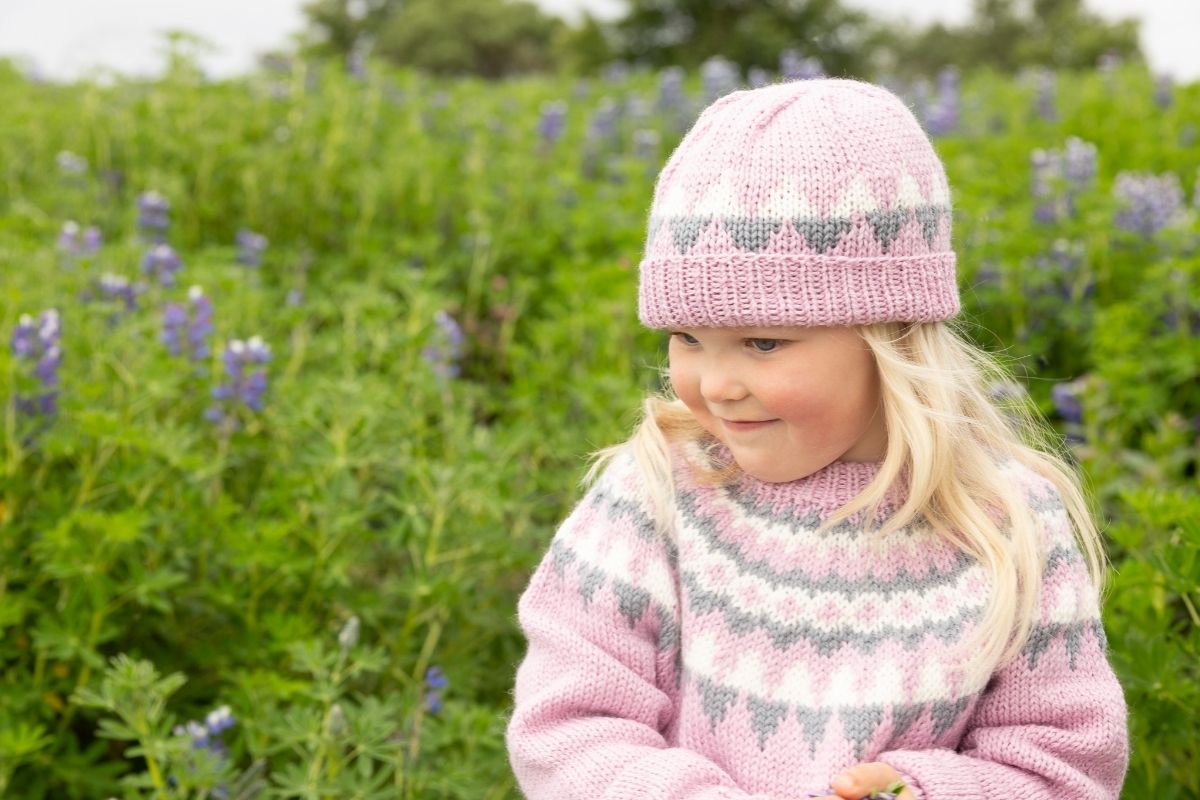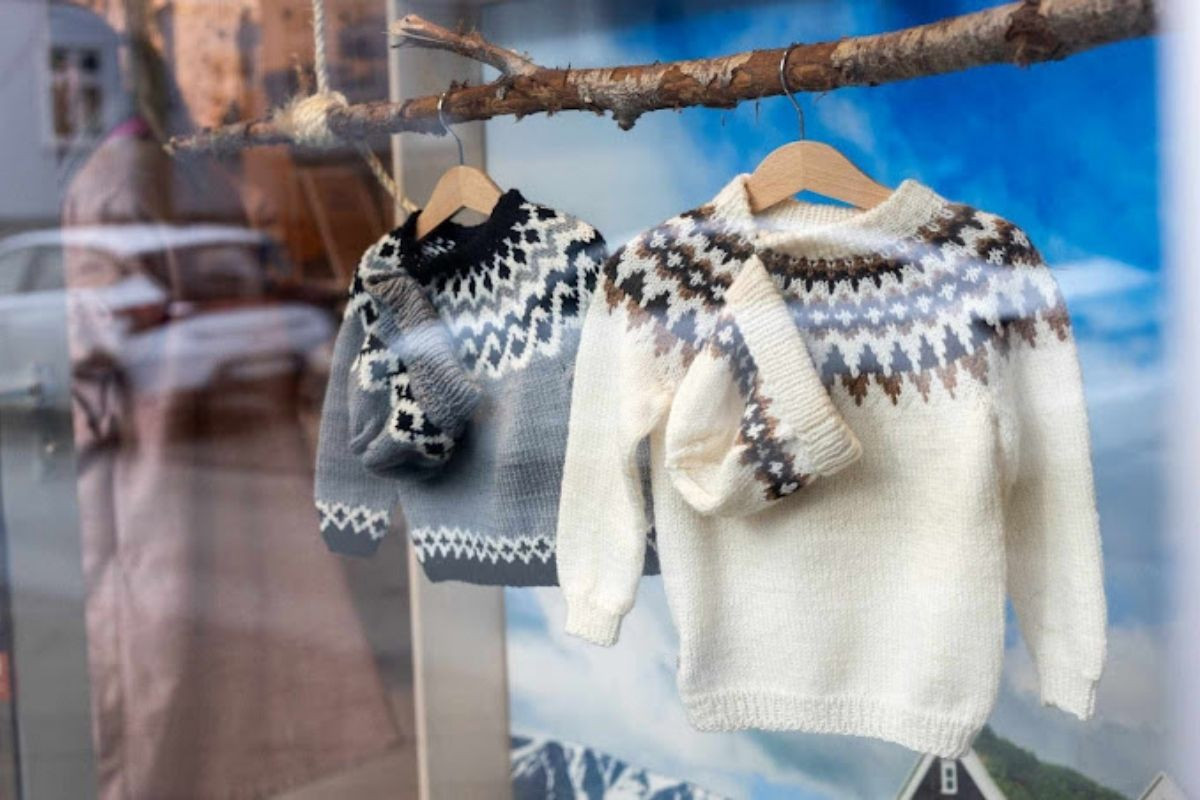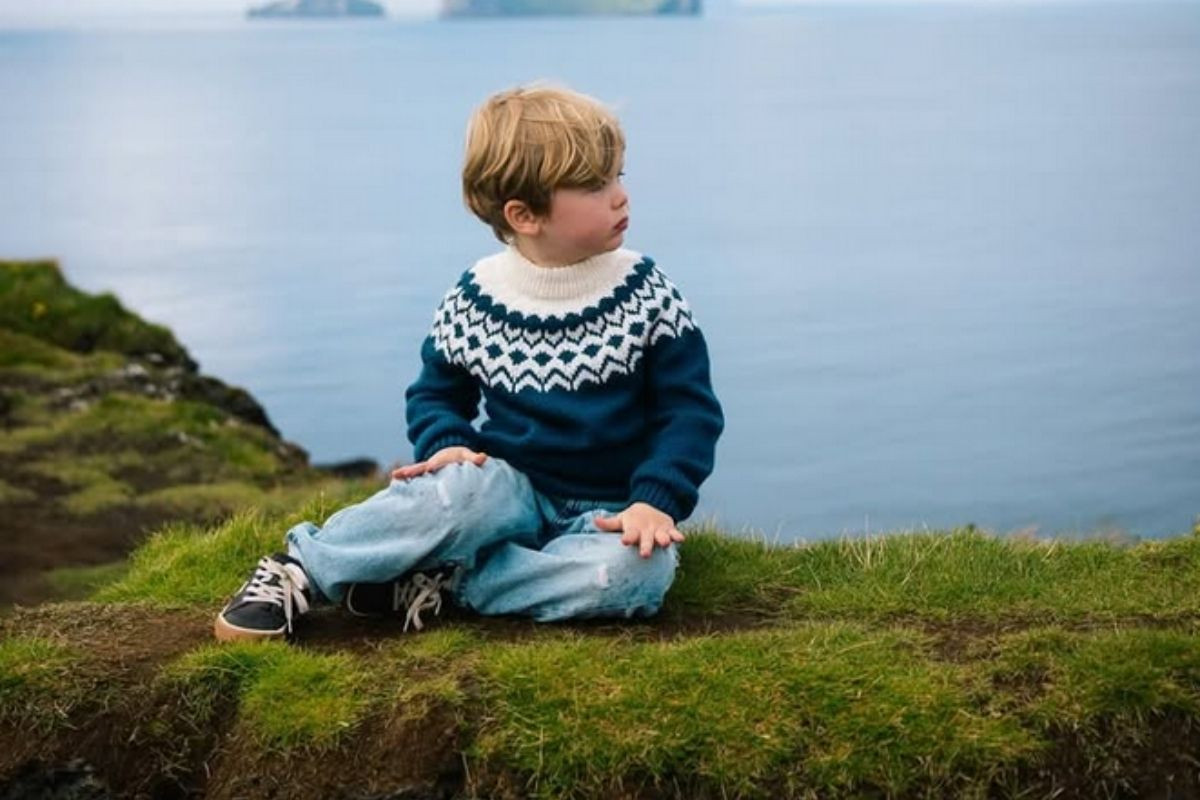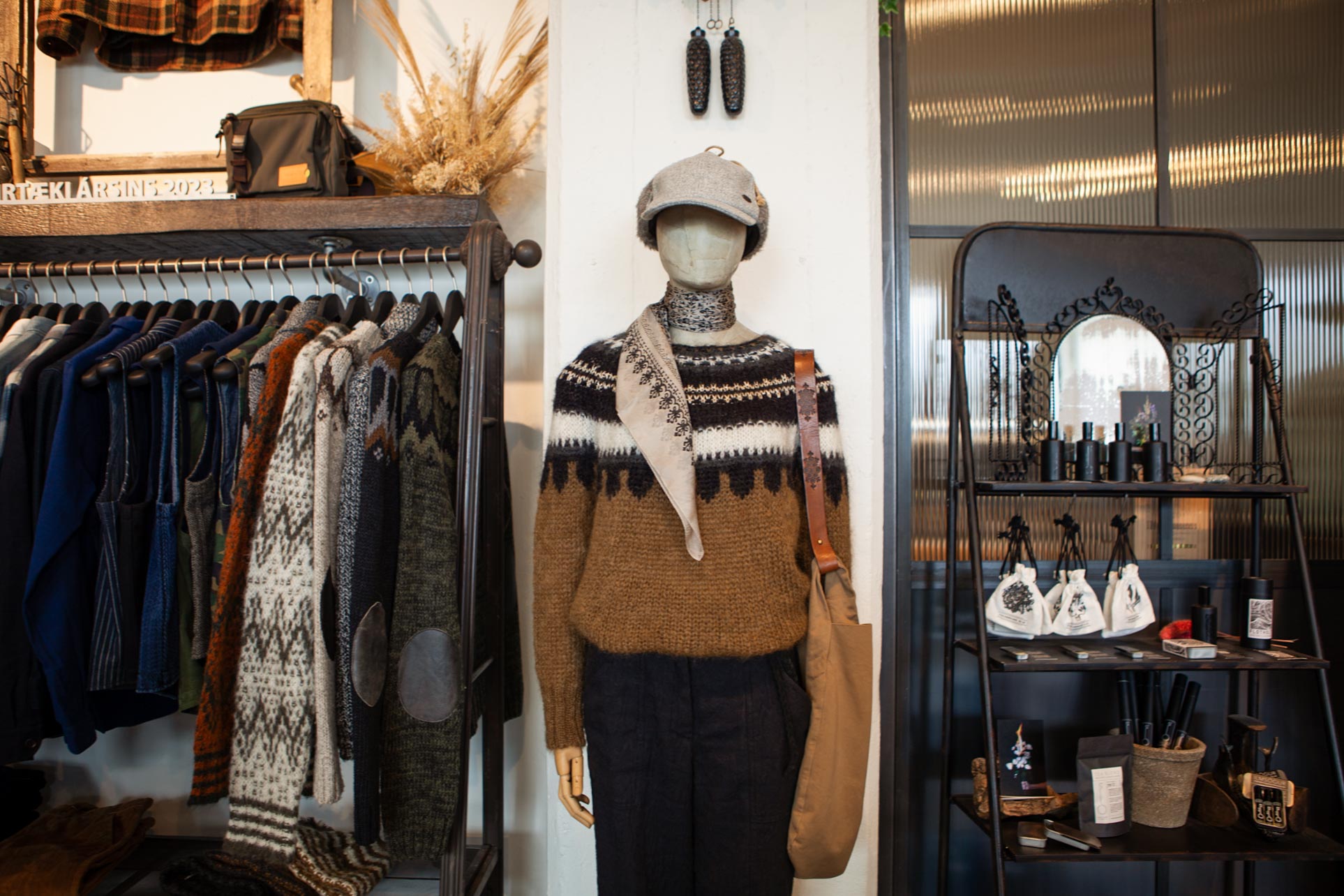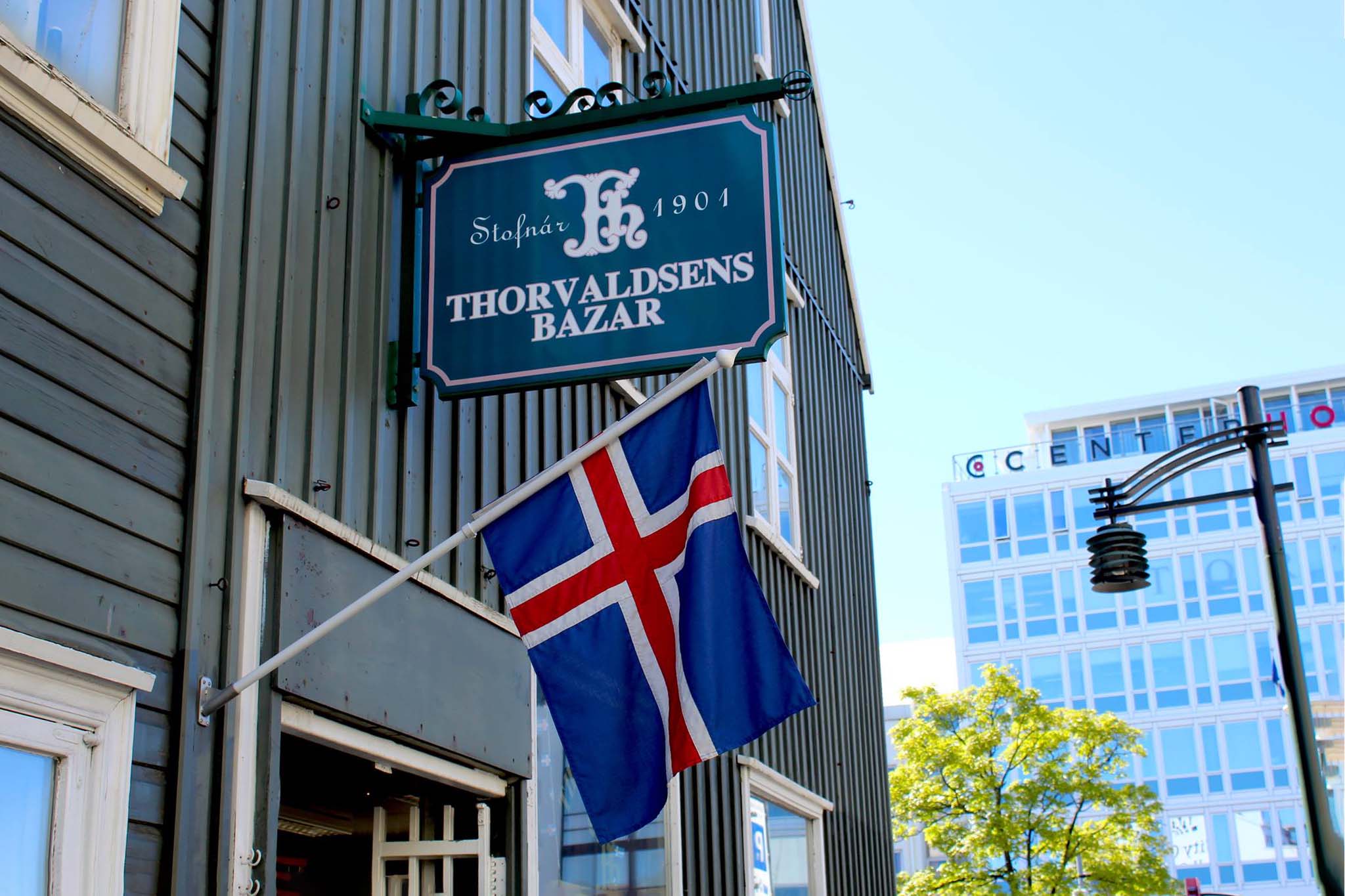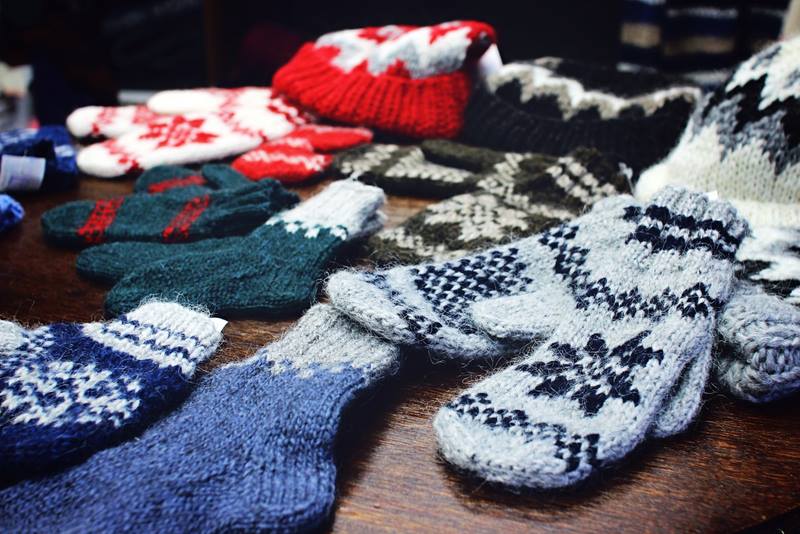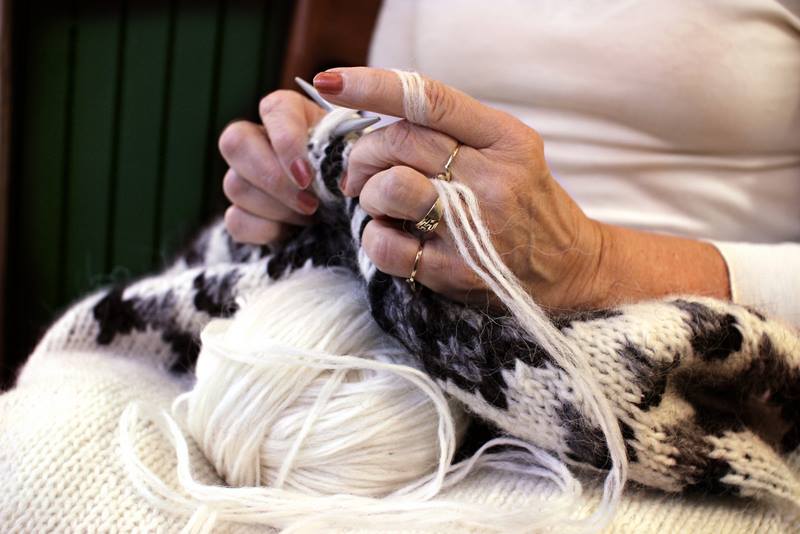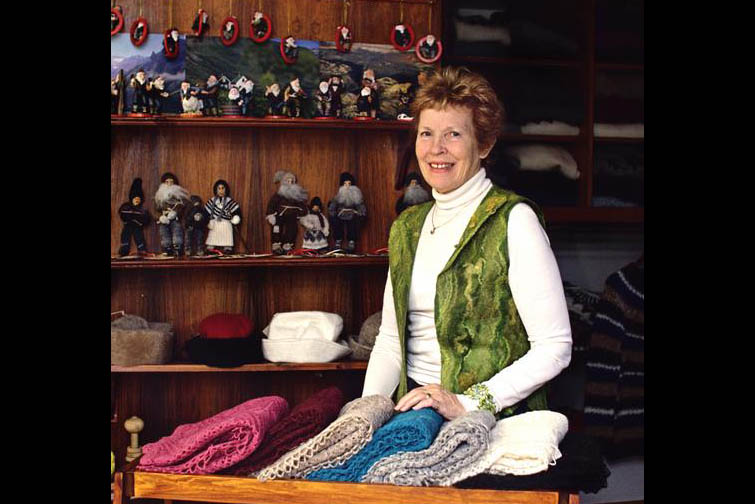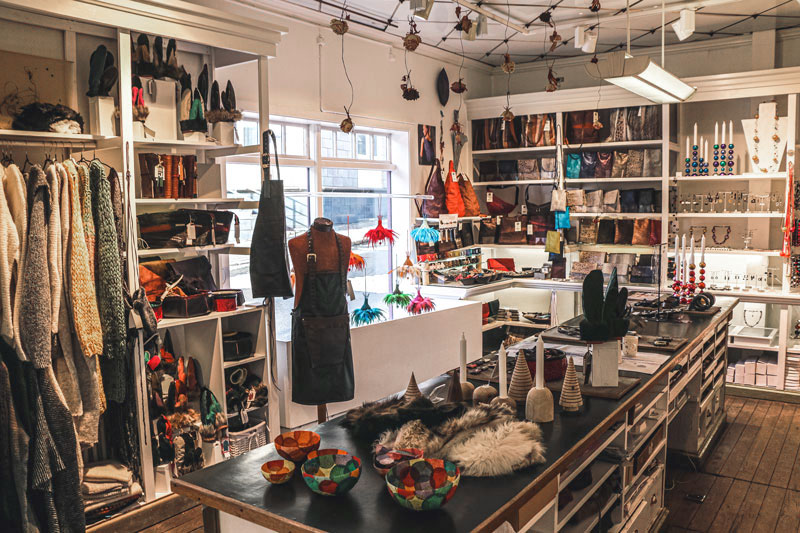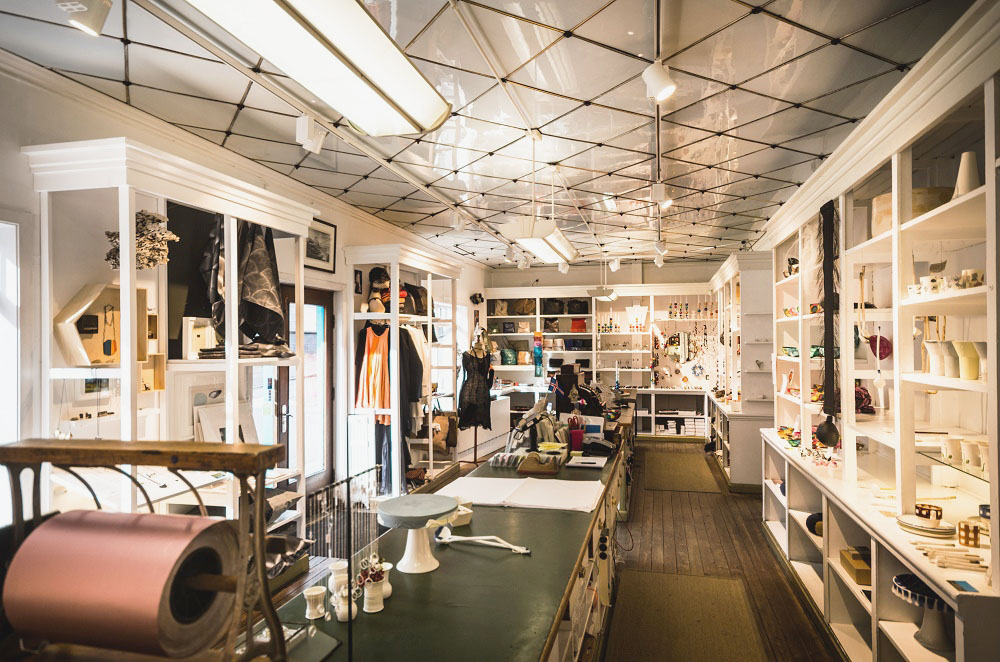

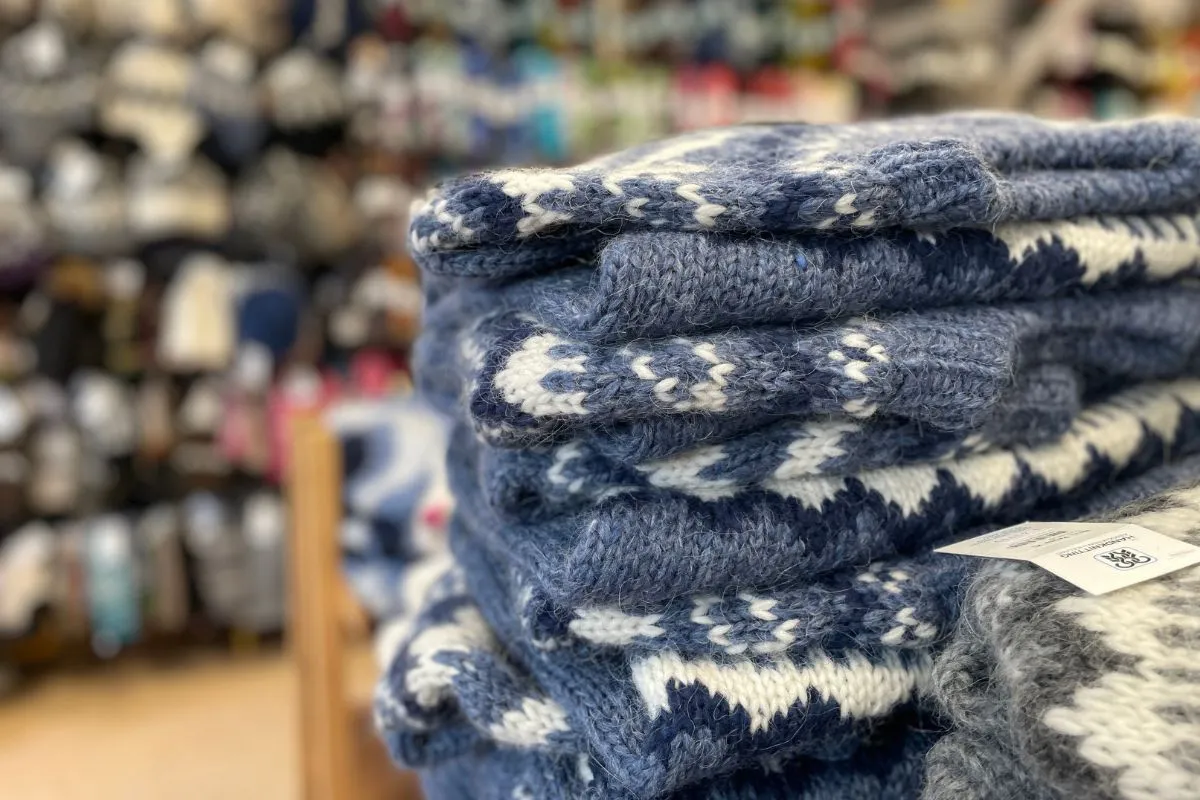
For nearly fifty years, the Handknitting Association of Iceland has been more than just a knitting co-op. It was originally founded by women who wanted fair pay and respect for their craft. Today, it operates two stores in Reykjavík that are a must-visit for anyone eager to find an authentic hand-knit lopi wool sweater, also known as a lopapeysa. They continue to preserve Iceland’s rich knitting traditions.
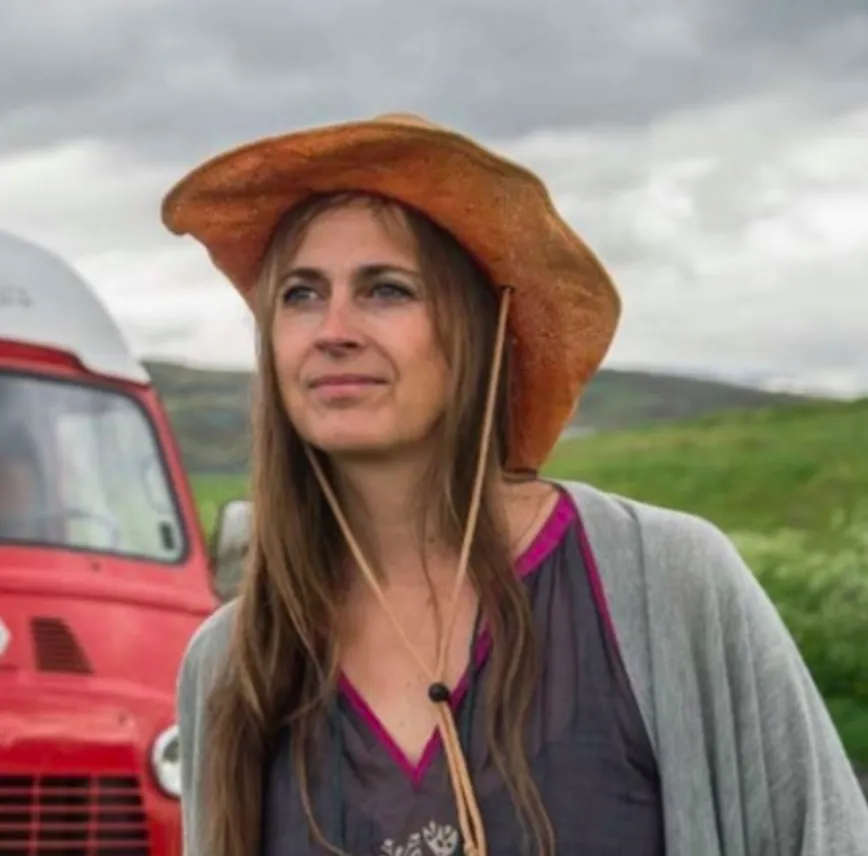
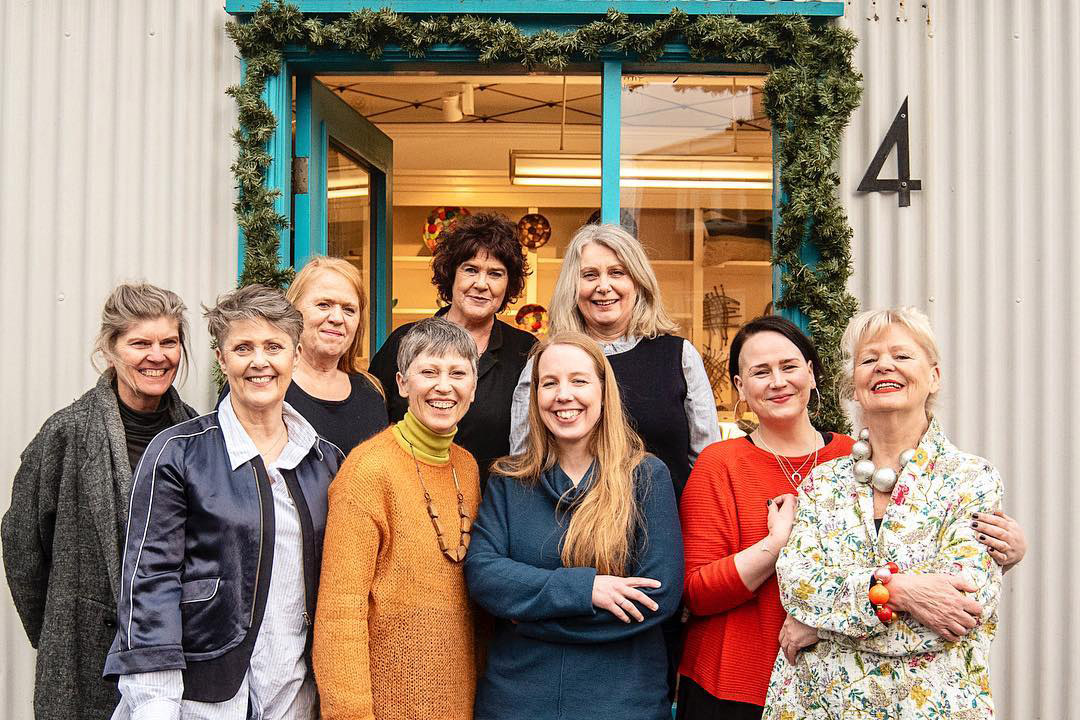
“What makes The Handknitting Association of Iceland so unique is both its members and the quality of its products. We are a large group of women of different ages and various backgrounds, and knitting is the thread that binds us together” says Hildur, the chairman of the Handknitting Association.
“This historic and deeply rooted association has witnessed highs and lows through the decades, but always upheld its founding values. Our members — the knitters themselves — receive the highest compensation possible for their products, and we ensure quality in every item.”
Launched almost 50 years ago as a platform for women to market their hand-knit goods, the association was nothing short of revolutionary. “Until then, the retailers selling their creations paid them very little, and also tended to ask for a particular product or size. But when delivered, the item wasn’t required any longer, and the woman who made it was left with it without knowing what to do with it” she explains. “The founding meeting in November of 1977 was quite remarkable. A few interested women were expected, but around a thousand people showed up and founded this much-needed co-op. That sense of unity and positivity has characterized the association from the start. We always aim to organize two events per year, allowing members to meet and spend quality time together.”
Does the Handknitting Association play a vital role in helping to preserve Iceland’s heritage and the unique lopapeysa?
“Absolutely! Not just by knitting and selling the lopi sweaters, but also by offering a range of yarn and recipes. Here you can find everything you need to knit your own sweater, along with advice from our experienced staff. We even offer complete DIY kits featuring traditional Icelandic patterns, intended for those who wish to knit their own sweater, whether beginners or having some experience. We don’t offer many such kits at a given time, but we do have lots of recipes and gladly help knitters find the ideal lopi texture, Álafoss, létt, plötu, or fjalla. Usually, choosing the right colors proves to be the trickiest part” she smiles. “We are always delighted when guests of Iceland want to knit a lopi sweater. It is probably the greatest connection to Iceland they can achieve.”
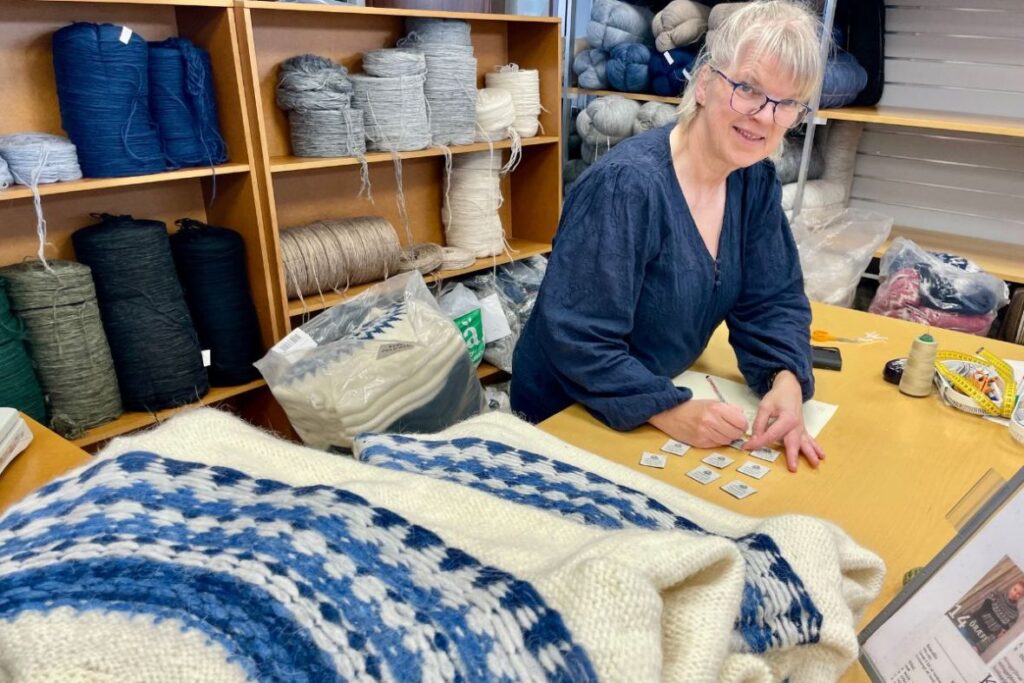
“We are always delighted when guests of Iceland want to knit a lopi sweater.”
How long does it take to knit an average-sized lopi sweater?
For beginners, that of course varies, but it usually takes a skilled knitter about 24 hours to knit one sweater.”
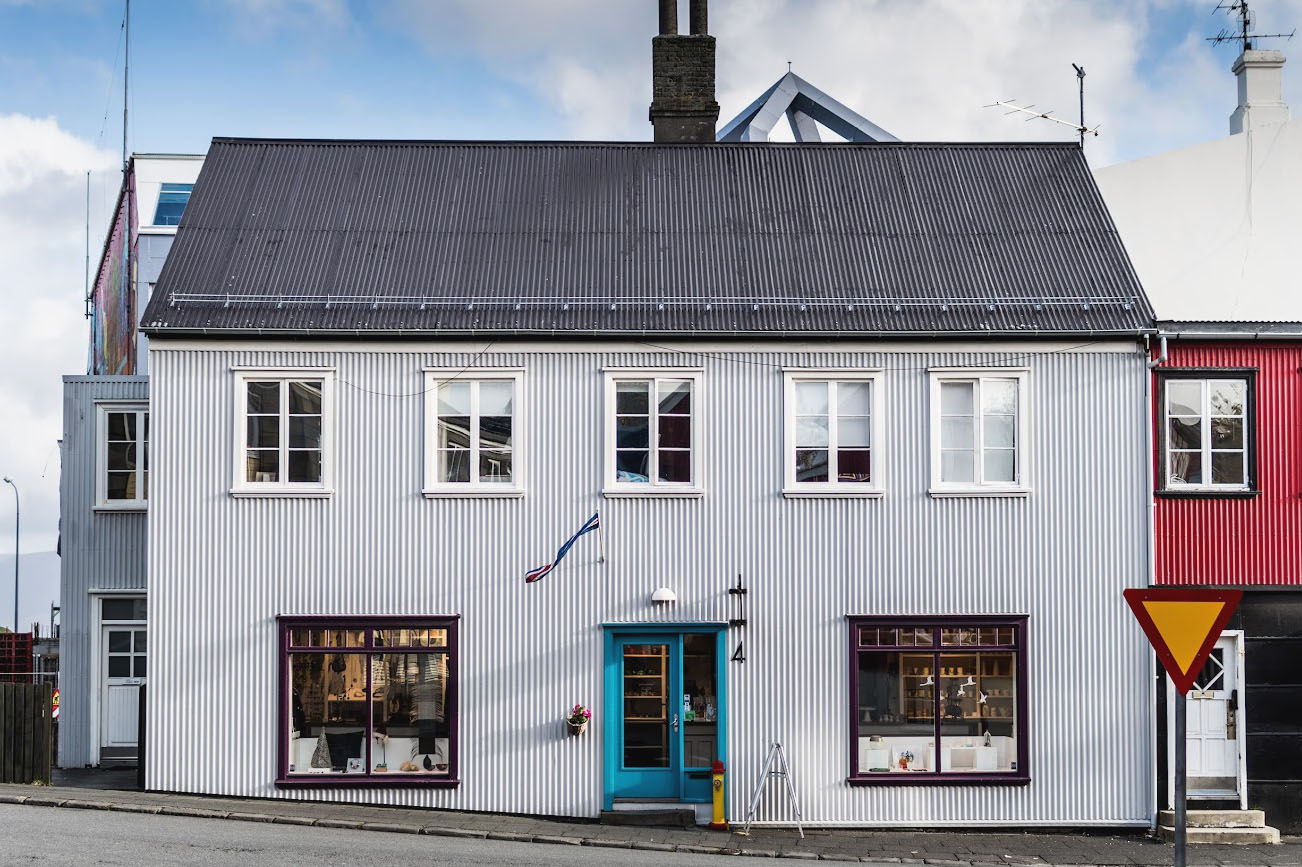
The Handknitting Association runs two shops, on Skólavörðustígur and in Borgartún. How are they different from other places that sell lopi sweaters?
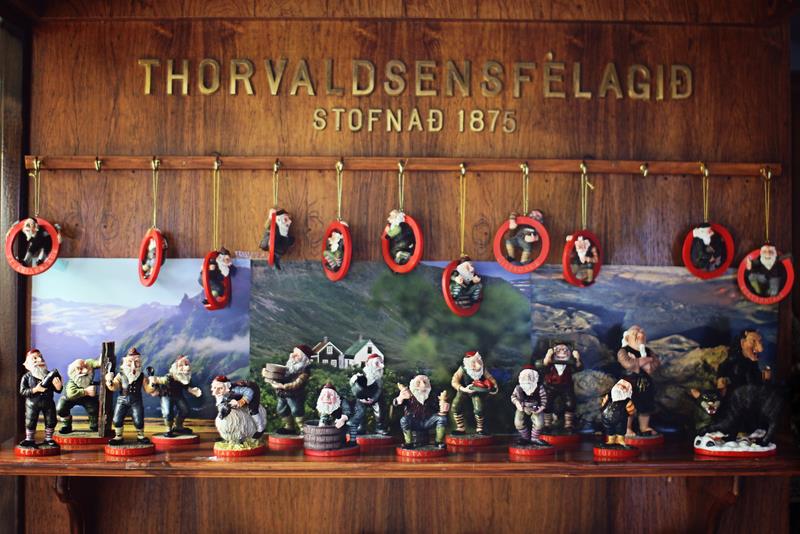
We emphasize selling Icelandic products and locally made Icelandic design. We also offer a great selection of top-quality yarn and knitting accessories. It´s always a joy when a customer enters our store and discovers what we stand for — realizing that here you can get an authentic product — that´s also a reminder of why our work here matters.” Hildur explains.
What qualities make the Icelandic lopi wool so unique?
“The wool of the Icelandic sheep has two layers: Þel andtog. Very few sheep breeds in the world possess this quality. Þel is soft, fine, light, isolating, and breathable, whereas the tog is longer and more coarse, water repellent, and sturdy. As for the sweater care, just keep in mind to wash it seldom, and then only by hand. And always dry flat.”
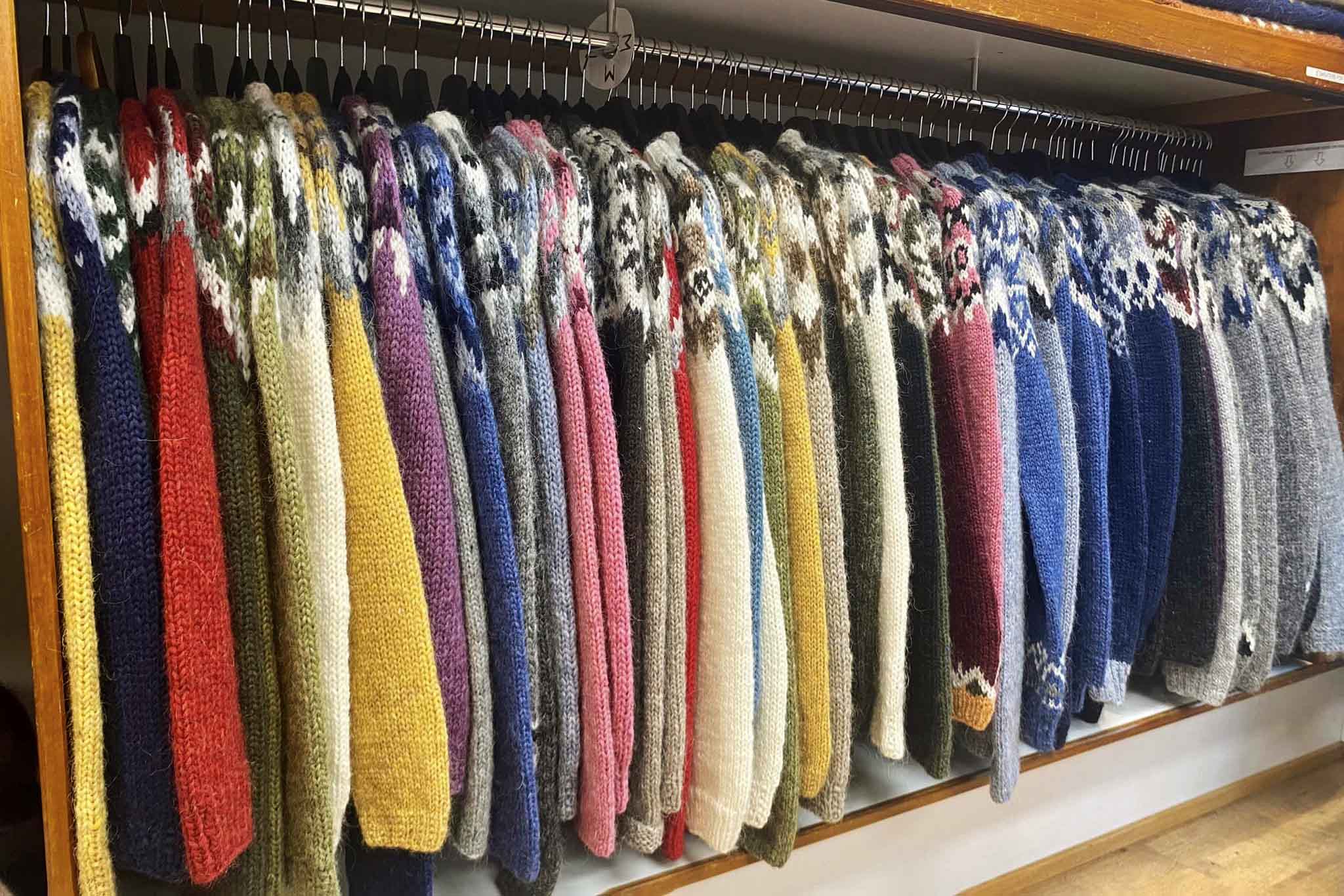
These two stores offer Iceland’s biggest selection of lopi sweaters. How do you ensure consistent quality and variety?
“We have very strict quality control. Our reception examines every single item brought to us by the knitters. Every sweater is marked with its maker’s membership number, so we can easily look them up. Customers can even request their name if they like, making the sweater more personal. The certification of origin we give our sweaters addresses all the lopi sweaters produced abroad, even in China. Those are partly or fully mechanically knitted and then sold as genuine Icelandic lopi sweaters. Our reception team also controls which types and sizes of sweaters are made, and we always try to introduce something new and fresh alongside the classics.
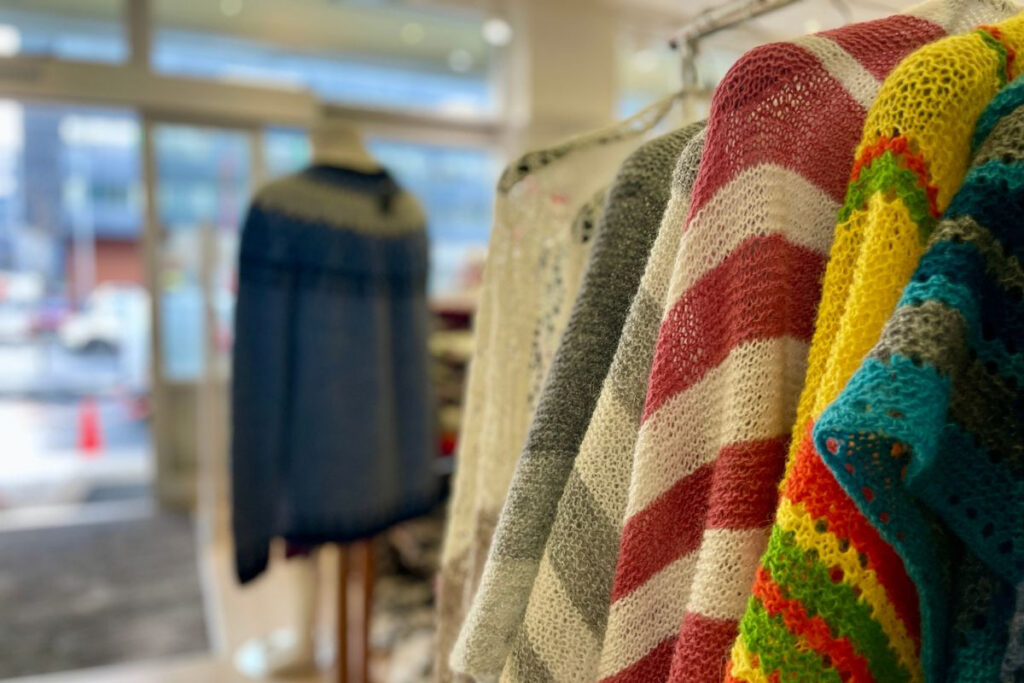
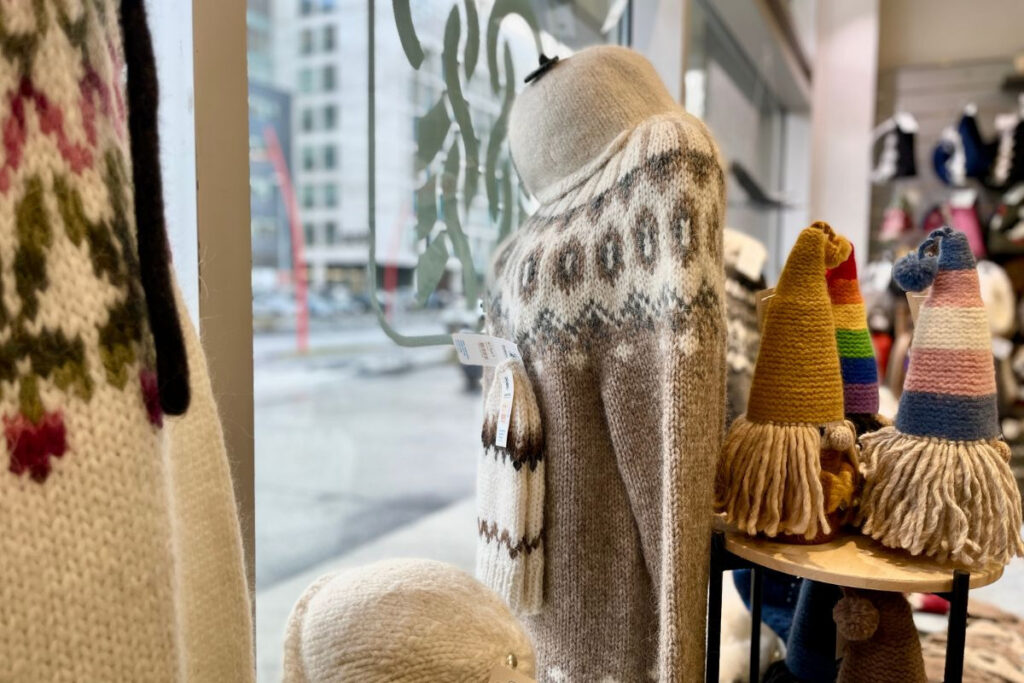
“The most popular sweaters in our stores are the closed ones, made from triple plötu-lopi.”
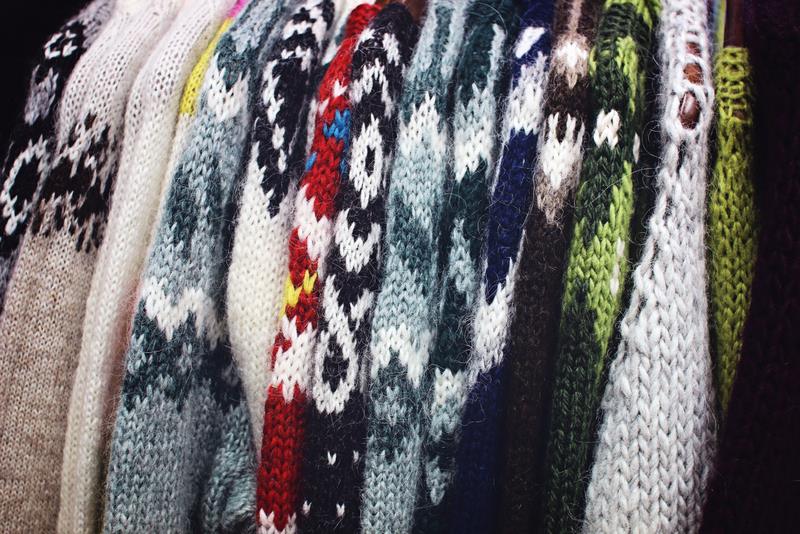
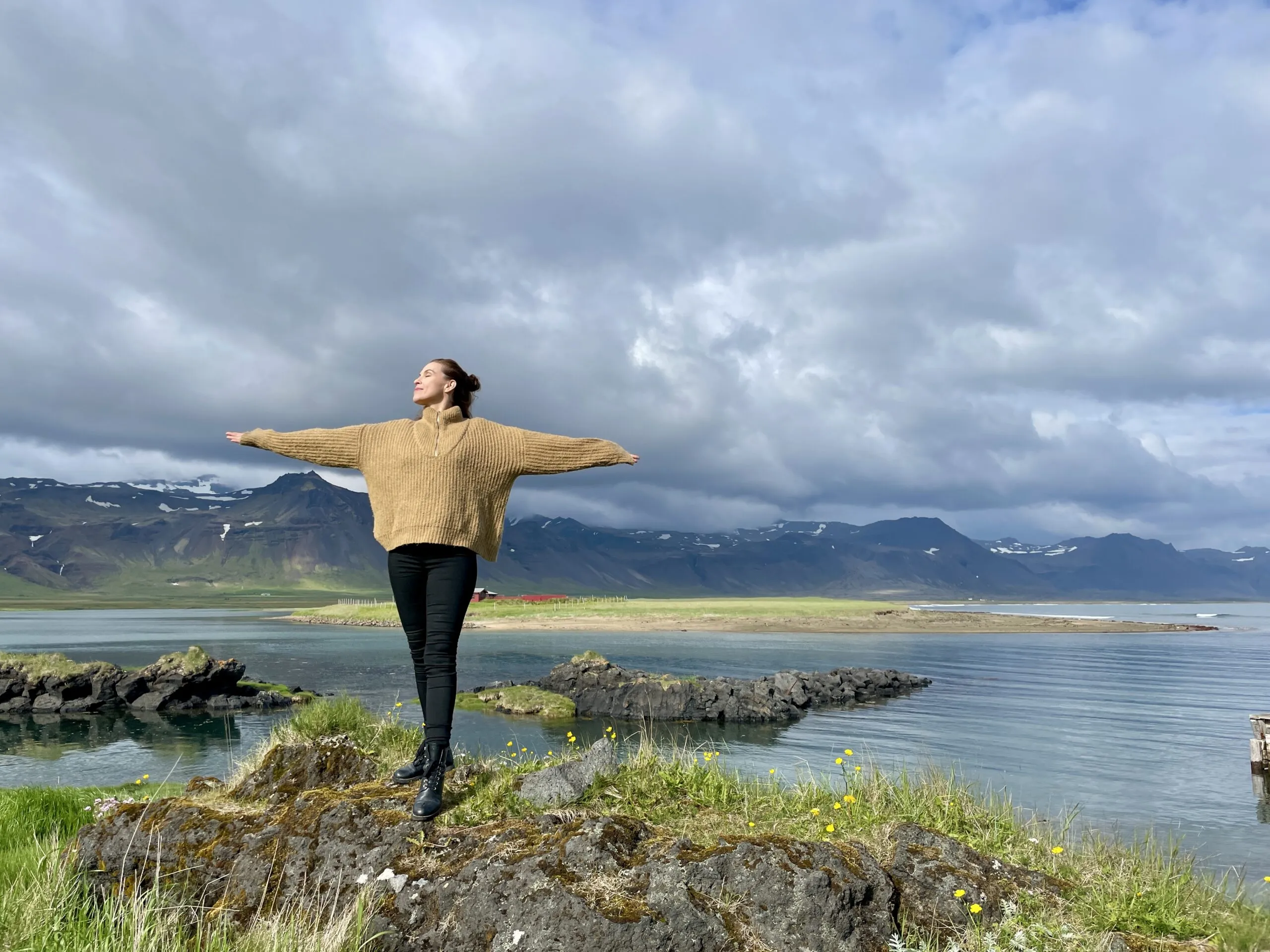
Most of the sweater patterns date back to the 1960s and 1970s, according to Hildur. “The most popular sweaters in our stores are the closed ones, made from triple plötu-lopi. Sweaters made from double plötu-lopi and létt-lopi are also in high demand. Over the years, the lopi sweater has somewhat followed fashion trends, mainly regarding length, shoulder width, and tightness in other aspects. In other aspects, it has remained the same: a circular knit with a pattern across the chest, and sometimes also the lower part and sleeves. Although we meet the trends, we always make sure to offer the classic traditional ones. They are always in steady demand.”
What is your personal connection to knitting and the Association?
“I have always been very interested in all kinds of handicraft. Of course, I learned to knit as a child, but I really got into it at the age of 20. Naturally, the first piece I made was a lopi sweater. I have four of them now, some of which I wear more often than others. One, I mainly use for hiking, one for summer camping trips, and the other two I often use for work, casually, or when I want to look my best. I started working here as a shop assistant in 2013, but since then I have moved to the reception, where I get to meet members every day. I joined the association as a knitter in 2015. Working here has taught me a lot about the importance of quality and the preservation of the handicraft heritage of the Icelandic lopi sweater.”
“When things are hard, knitting can really be quite comforting.”
In conclusion, what would you like to tell the founders of the Handknitting Association, now 50 years later?
“Thank you for founding it! We are still here, and the future is bright. We have been very pleased to note a growing interest in knitting among young women. Most of them are knitting children’s knitwear, but also the occasional sweater. After the 2008 economic crash, we saw a major increase in knitting interest, and the same thing happened during the COVID pandemic in 2020-21.
Help you travel better!
Any tips for finding the right lopi sweater?
“Just keep on trying them on until you find the perfect fit.”
What else is interesting in Borgartún?
“Borg29 food hall next door – perfect for a tasty lunch or a relaxed bite after work. Hringekjan – a second-hand clothing shop where you can happily rummage for treasures.”